Thyroid cancer, a condition affecting the thyroid gland, offers various treatmen...See More
Sep 20, 2025

Empowering you with expert care and dedicated support

Delivering tailored treatments for optimal outcomes and recovery
.png)
Compassionate care with expert solutions for cancer treatment
.png)
Faster healing, reduced pain, and minimal scarring with advanced techniques
.png)
Cutting-edge procedures for enhanced liver and digestive function
.png)

About Us
Years of Experience
Types of Cancer Treated
Happy Patients Treated


Comprehensive cancer care, including surgery, therapy, and support




Stay informed with our latest updates, posts, announcements, and healthcare news
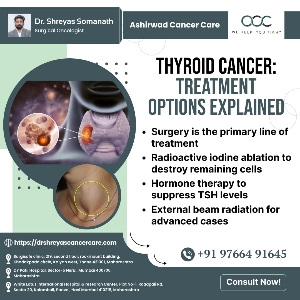
Thyroid cancer, a condition affecting the thyroid gland, offers various treatmen...See More
Sep 20, 2025
Surgical Oncologist

What our Patients says about us
He is d magician my mom cancer operation he did very nicely he didn't scare us like other doctors do discharge fast admit fast give very good suggestion no fake nothing only real talk

Most most knowledgeable best doctor on dis earth for cancer he did my mom ear and neck cancer operation in jst 1 hour very sweet humble will sav ur time and money






Dr. Shreyas R. Somanath is a highly experienced Surgical Oncologist specializing in head and neck cancers, breast and gynecological malignancies, as well as hepatobiliary and gastrointestinal surgeries. He is well-versed in minimally invasive laparoscopic and robotic surgeries, which help reduce recovery time and improve outcomes. With a strong focus on early cancer detection and comprehensive treatment plans, Dr. Somanath ensures the best possible care for his patients. His practice is known for offering personalized treatment in a compassionate environment, making him a trusted specialist in the oncology field.
With over 7 years of experience, Dr. Shreyas R. Somanath has developed a reputation for precision and care in treating complex cancer cases. His expertise spans several oncological specialties, including head and neck, breast, and gynecological cancers. Dr. Somanath’s proficiency in advanced surgical techniques such as robotic and laparoscopic surgery enhances recovery times and reduces complications. His clinic, which serves as a one-stop solution for cancer care, is renowned for its holistic approach, ensuring comprehensive treatment from diagnosis to surgery. This combination of expertise, advanced modalities, and patient-centered care makes Dr. Somanath a highly successful surgeon.
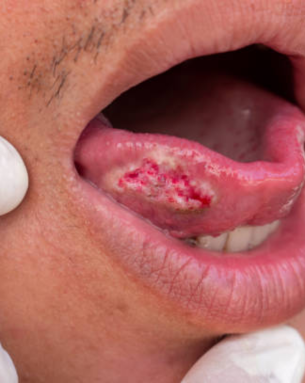
A surgical oncologist plays a pivotal role in treating oral cancer by performing surgeries to remove tumors from the mouth, lips, or throat. The cancer surgeon may remove affected tissues, lymph nodes, and surrounding areas where the cancer has spread. Post-surgical treatments like radiation or chemotherapy might be recommended to prevent recurrence. The onco surgeon works closely with a multidisciplinary team to provide comprehensive care for optimal recovery.
For oral cancer, a cancer surgeon typically removes the tumor through surgery. This may include partial or total removal of the affected tissue, including the jaw or tongue if necessary. In more advanced cases, the onco surgeon may also remove lymph nodes or perform reconstructive surgery to restore appearance and function. Surgery is often followed by additional treatments like radiation or chemotherapy to ensure complete removal of cancerous cells.
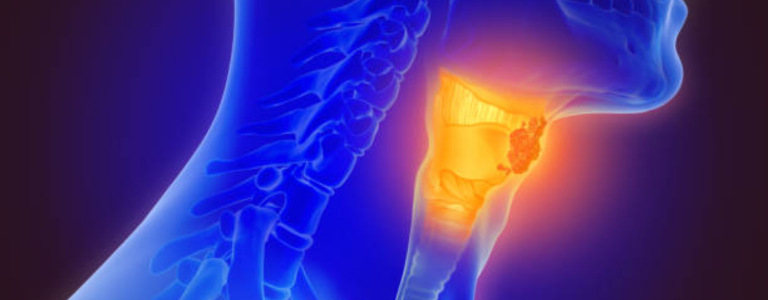
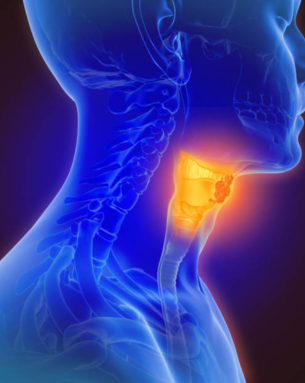
A surgical oncologist is crucial in the treatment of laryngeal cancer, typically performing surgery to remove the cancerous growth from the voice box. Depending on the cancer stage, this could involve partial or total laryngectomy. The cancer surgeon may also remove nearby lymph nodes to prevent the spread of cancer. After surgery, radiation therapy or chemotherapy may be recommended to target remaining cancer cells. The onco surgeon ensures that the treatment plan is tailored to the individual patient's needs.
Surgical treatment for laryngeal cancer involves the removal of the tumor and possibly the affected voice box (laryngectomy). The cancer surgeon may opt for a partial laryngectomy to preserve the voice or perform a total laryngectomy in advanced cases. In some instances, reconstructive surgery may be needed to restore speech and swallowing functions. The onco surgeon works closely with speech therapists and other specialists to help the patient regain functionality.
For cancer of the jaw and cheek, a surgical oncologist performs surgery to remove the affected tissues. This may involve partial or complete removal of the jaw, cheek, or surrounding structures. The cancer surgeon also removes nearby lymph nodes to reduce the risk of cancer spreading. Post-surgery, reconstructive surgery may be necessary to restore appearance and functionality. The onco surgeon may recommend additional treatments such as radiation therapy to prevent recurrence.
Surgical treatment for jaw and cheek cancer usually involves the removal of the tumor and affected tissues. The onco surgeon may perform partial or full resection of the jaw or cheek, and sometimes remove lymph nodes if cancer has spread. In advanced cases, reconstructive surgery might be needed to restore appearance and function. After surgery, radiation therapy or chemotherapy is often part of the treatment plan to ensure all cancer cells are eliminated.
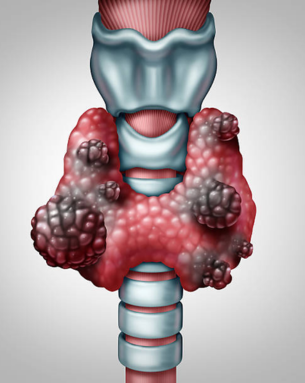
A surgical oncologist plays a vital role in thyroid cancer treatment, typically performing surgery to remove the thyroid gland. In some cases, nearby lymph nodes may also be removed if the cancer has spread. The cancer surgeon may recommend additional treatments like radioactive iodine therapy or external radiation. The onco surgeon develops a personalized treatment plan based on the cancer’s stage to ensure the best chance of recovery.
For thyroid cancer, surgery is the main treatment option. A cancer surgeon may perform a thyroidectomy, removing part or all of the thyroid gland, depending on the cancer’s extent. In some cases, surrounding lymph nodes are also removed. Post-surgical treatments such as radioactive iodine therapy or hormone therapy may be prescribed to prevent recurrence. The onco surgeon tailors the treatment plan based on the patient’s individual condition.
A surgical oncologist is essential in breast cancer treatment, performing surgery to remove the tumor or, in more severe cases, the entire breast (mastectomy). The cancer surgeon may also remove lymph nodes under the arm to determine if the cancer has spread. Post-surgical treatments such as chemotherapy or radiation may be recommended to prevent recurrence. The onco surgeon tailors treatment to the patient's specific cancer type and stage.
Surgical options for breast cancer include breast-conserving surgery (lumpectomy) to remove the tumor while preserving the breast and mastectomy, where the entire breast is removed. A cancer surgeon may also perform lymph node removal if cancer has spread. Depending on the patient's condition, reconstructive surgery can be performed to restore the breast's appearance. The onco surgeon helps determine the best surgical approach based on the stage and type of breast cancer.
Breast oncoplastic surgery combines cancer surgery with reconstructive techniques. A surgical oncologist performs a lumpectomy to remove the tumor while reshaping the breast to maintain its aesthetic appearance. This cancer surgeon approach provides an optimal balance between oncologic safety and cosmetic outcomes. The onco surgeon works with plastic surgeons to ensure that patients not only receive effective cancer treatment but also maintain an improved quality of life post-surgery.
Breast oncoplastic surgery allows for the removal of cancerous tissue while preserving the breast’s appearance, minimizing the cosmetic impact of surgery. The cancer surgeon performs tumor excision while preserving breast volume and shape through plastic surgery techniques. This approach, led by a skilled onco surgeon, offers better cosmetic results and a more positive psychological impact for breast cancer patients.
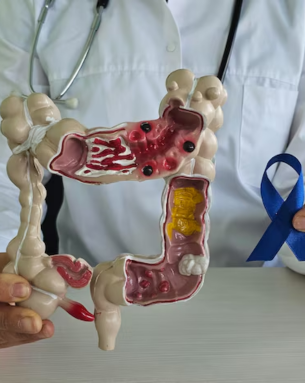
A surgical oncologist plays a critical role in colon cancer treatment by removing the tumor and surrounding tissue. Depending on the tumor’s location, the cancer surgeon may perform a colon resection, removing part of the colon and reattaching the healthy ends. Post-surgical treatments like chemotherapy or radiation therapy are often recommended to prevent recurrence. The onco surgeon personalizes the treatment to ensure the best possible recovery.
For stomach cancer, a cancer surgeon may perform a partial or total gastrectomy to remove the tumor and affected portions of the stomach. In some cases, nearby lymph nodes and tissues are also removed. The onco surgeon may suggest post-surgery treatments like chemotherapy or radiation to eliminate remaining cancer cells and reduce the risk of recurrence. The surgical approach is tailored to the individual’s cancer stage.
Pancreatic tumors are treated by a surgical oncologist through surgical removal of the tumor or affected portion of the pancreas. The most common procedure is the Whipple procedure, where the head of the pancreas, parts of the stomach, and small intestine are removed. The cancer surgeon works closely with other specialists to determine if additional treatments like chemotherapy are necessary. The onco surgeon ensures that the approach is personalized based on the tumor’s size and location.
For pancreatic cancer, a surgical oncologist may perform a Whipple procedure to remove the tumor and surrounding tissue. In cases where surgery is not possible, the cancer surgeon may opt for palliative procedures to alleviate symptoms. The onco surgeon will also determine if other treatments, such as chemotherapy or radiation, are necessary to manage the cancer and prevent recurrence.
A surgical oncologist plays a crucial role in treating esophageal cancer by performing surgery to remove the cancerous tumor and potentially affected lymph nodes. The surgery may involve partial or complete removal of the esophagus (esophagectomy). The cancer surgeon ensures that the procedure is personalized based on the cancer stage, and may recommend additional treatments like chemotherapy or radiation to prevent recurrence. The onco surgeon ensures that patients receive comprehensive care, including pre-and post-operative support.
For esophageal cancer, a cancer surgeon may recommend an esophagectomy, which involves the removal of a part or the entire esophagus. The onco surgeon may also perform a minimally invasive surgery, such as a laparoscopic or robotic procedure, to reduce recovery time and risks. Additional treatments like radiation therapy may be prescribed to target any remaining cancerous cells, providing a comprehensive treatment approach tailored to the patient’s condition.
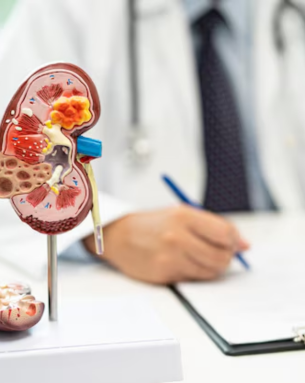
A surgical oncologist plays a key role in the treatment of kidney cancer. The primary treatment involves surgical removal of the tumor or the affected kidney through a procedure called a nephrectomy. The cancer surgeon may perform either a partial or radical nephrectomy, depending on the size and spread of the tumor. Post-surgical treatments like chemotherapy or targeted therapies may be recommended to prevent cancer recurrence. The onco surgeon provides a personalized treatment plan for each patient.
For kidney cancer, a cancer surgeon may recommend a partial nephrectomy, which removes only the tumor while preserving healthy kidney tissue. In more advanced cases, a radical nephrectomy may be required to remove the entire kidney. Minimally invasive techniques, including laparoscopic or robotic surgery, may be used by the onco surgeon for quicker recovery and less pain. Post-surgery treatments such as targeted therapy or immunotherapy are often recommended to prevent recurrence.
A surgical oncologist treats urinary bladder cancer primarily through surgery. The cancer surgeon may remove the tumor through a procedure called transurethral resection of bladder tumor (TURBT) for early-stage cancer. For more advanced stages, a cystectomy, where part or all of the bladder is removed, may be required. The onco surgeon works with the patient to determine the best surgical and post-surgical approach, which may include chemotherapy or radiation therapy.
Surgical options for urinary bladder cancer depend on the cancer stage. For early-stage cancer, a cancer surgeon may perform a TURBT to remove the tumor. In more advanced stages, a surgical oncologist may perform a cystectomy, which involves the removal of part or all of the bladder. Reconstruction options such as creating a neobladder or using a colon segment to form a new bladder may also be offered. The onco surgeon will customize the treatment plan based on individual patient needs.
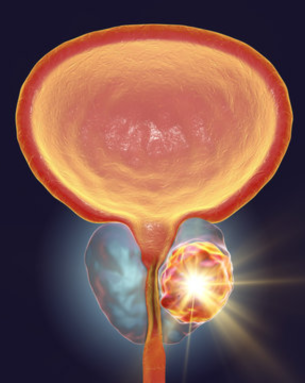
A surgical oncologist is crucial in treating prostate cancer. The primary surgical approach is a prostatectomy, where the cancer surgeon removes the prostate gland. This procedure may be performed through traditional open surgery or minimally invasive techniques like laparoscopic or robotic surgery. Post-surgical therapies, such as radiation or hormone therapy, may be recommended to reduce the risk of recurrence. The onco surgeon creates a tailored treatment plan for each patient to ensure the best outcome.
For prostate cancer, a cancer surgeon may recommend a prostatectomy, which is the removal of the prostate gland. This surgery can be done through an open approach, or more commonly, using laparoscopic or robotic techniques, which offer quicker recovery times and less pain. The onco surgeon may also remove lymph nodes if cancer has spread. Post-surgery, the patient may undergo radiation therapy or hormone therapy to lower the risk of cancer returning.
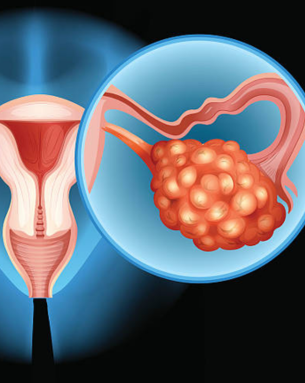
Surgical treatment for ovarian cancer typically involves removing the ovaries, fallopian tubes, and possibly the uterus through a procedure called a hysterectomy. A surgical oncologist also removes any visible cancerous tissue in the abdomen. The cancer surgeon may also remove affected lymph nodes. Post-surgical treatments such as chemotherapy are often recommended to ensure the best chances of remission. The onco surgeon tailors the treatment plan to each patient’s specific needs.
For ovarian cancer, the cancer surgeon often performs a bilateral salpingo-oophorectomy, where both ovaries and fallopian tubes are removed. Depending on the cancer's extent, the onco surgeon may also remove the uterus (hysterectomy) and nearby lymph nodes. Minimally invasive techniques, like laparoscopy, may be used in some cases. Chemotherapy is often recommended after surgery to reduce the risk of cancer recurrence.
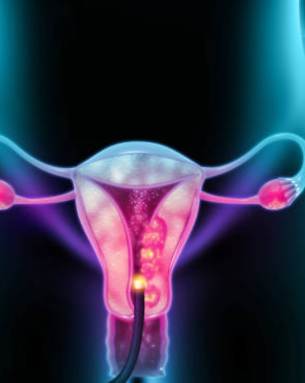
A surgical oncologist treats uterine cancer primarily through surgery, which often involves the removal of the uterus (hysterectomy). The cancer surgeon may also remove the ovaries, fallopian tubes, and lymph nodes if cancer has spread. Minimally invasive techniques like laparoscopic or robotic surgery may be used for quicker recovery. The onco surgeon also works with other specialists to recommend post-surgical treatments such as radiation or chemotherapy.
Surgical treatment for uterine cancer involves a hysterectomy to remove the uterus, and often the ovaries and fallopian tubes as well. The cancer surgeon may also remove surrounding lymph nodes to check for cancer spread. Minimally invasive methods, such as laparoscopic or robotic surgery, are often used to reduce recovery time and risk. The onco surgeon determines the best approach based on cancer stage and patient health.
A surgical oncologist plays a crucial role in treating cervical cancer through surgery. The cancer surgeon may perform a cone biopsy, where a cone-shaped portion of the cervix is removed, or a radical hysterectomy to remove the cervix, uterus, and possibly surrounding tissue. Lymph nodes may also be removed if cancer has spread. The onco surgeon may recommend radiation or chemotherapy following surgery to prevent recurrence.
For cervical cancer, the cancer surgeon may perform a cone biopsy for early-stage cancer or a radical hysterectomy for more advanced stages. In a radical hysterectomy, the cervix, uterus, and other affected tissues are removed. If cancer has spread, the onco surgeon may also remove lymph nodes. Minimally invasive surgery options like laparoscopic or robotic surgery may also be available for quicker recovery and fewer complications.
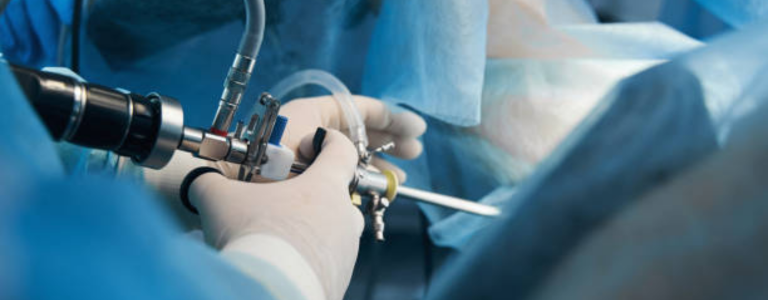
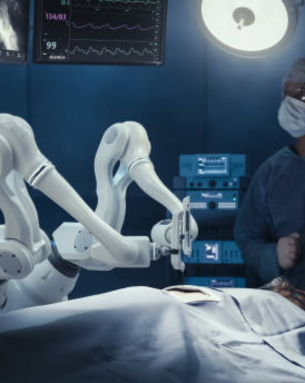
Laparoscopic and robotic surgeries are minimally invasive techniques used by surgical oncologists to treat various cancers. These methods involve small incisions and specialized instruments, allowing the cancer surgeon to remove tumors with precision, while reducing pain, blood loss, and recovery time. The onco surgeon uses robotic assistance to enhance the accuracy of the surgery, offering improved outcomes for the patient with less downtime and faster healing.
Laparoscopic and robotic surgeries provide numerous benefits for cancer patients, including smaller incisions, less pain, and faster recovery. A surgical oncologist can perform these minimally invasive procedures with great precision, reducing the risk of complications. The cancer surgeon utilizes robotic tools for enhanced visualization and control during the procedure. The onco surgeon personalizes the treatment approach, ensuring a quicker and more effective recovery process with minimal scarring.
 Address :Surgisafe clinic, 219, second floor, rockmount building, Khadakpada circle, Kalyan west, Thane 421301, Maharashtra Address :DY Patil Hospital, Sector-5 Nerul, Mumbai 400706, Maharashtra Address :White Lotus International Hospital & research Center, Plot No-1, Roadpali Rd, Sector 20, Kalamboli, Panvel, Navi Mumbai 410218, Maharashtra